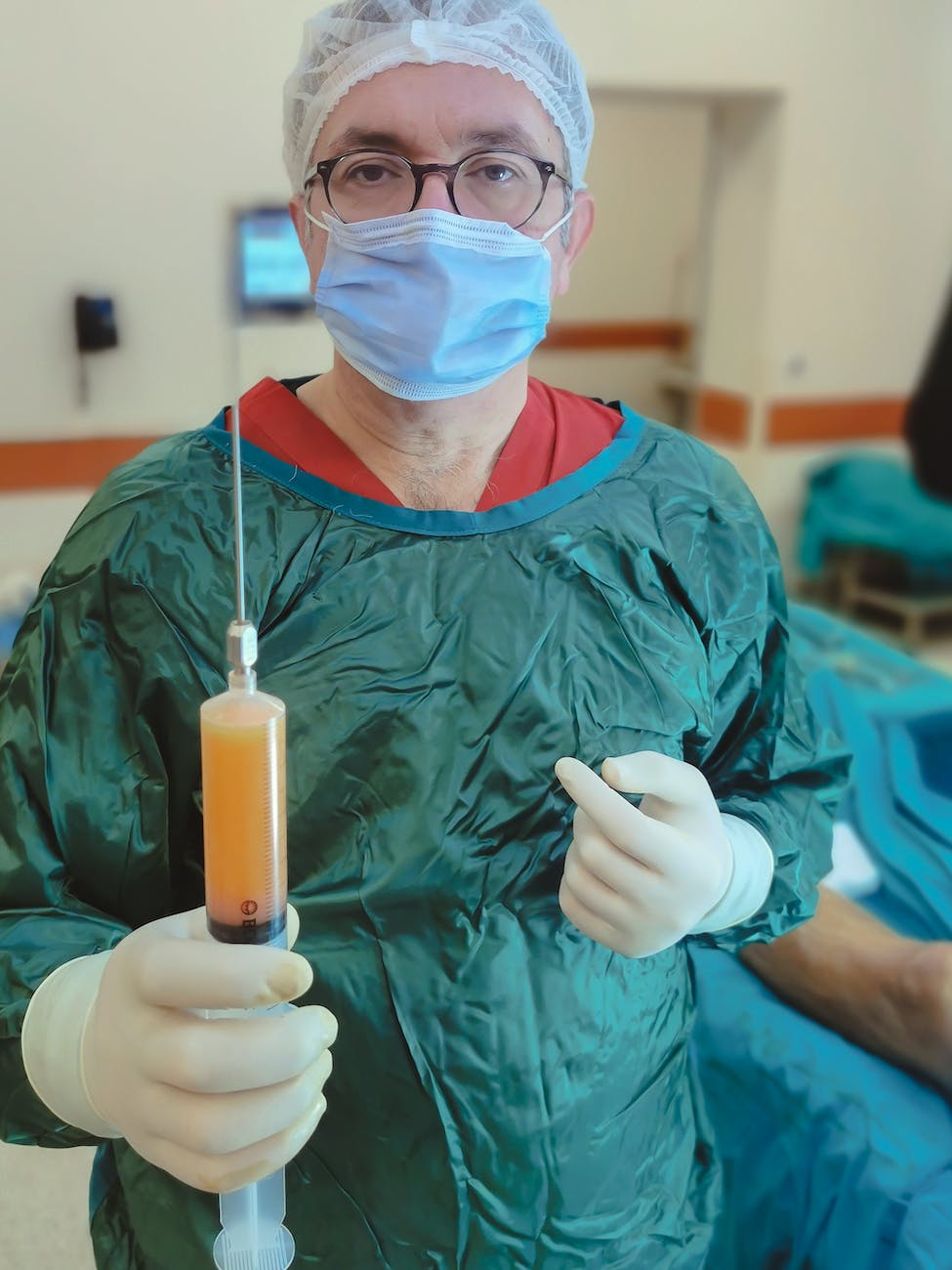
Medical malpractice occurs when a healthcare provider, such as a doctor or nurse, fails to provide the standard of care expected in their profession, resulting in harm to a patient. If you or a loved one has suffered harm due to medical malpractice, you may be able to pursue a medical malpractice claim to recover damages. In this article, we’ll provide an overview of what you need to know about medical malpractice claims.
What Constitutes Medical Malpractice?
Medical malpractice can occur in a variety of ways. Some common examples include:
- Misdiagnosis or delayed diagnosis: A healthcare provider may fail to diagnose a condition or may misdiagnose a condition, resulting in harm to the patient.
- Surgical errors: Errors made during surgery, such as operating on the wrong body part or leaving surgical instruments inside the patient, can lead to serious harm.
- Medication errors: Administering the wrong medication or the wrong dose of medication can result in harm to the patient.
- Failure to obtain informed consent: If a healthcare provider fails to obtain informed consent from a patient before performing a procedure, the patient may be able to pursue a medical malpractice claim if they are harmed as a result.
What Do You Need to Prove in a Medical Malpractice Claim?
To pursue a medical malpractice claim, you’ll need to prove four elements:
- Duty: You’ll need to establish that the healthcare provider had a duty to provide care to you or your loved one.
- Breach of duty: You’ll need to show that the healthcare provider breached their duty by failing to provide the standard of care expected in their profession.
- Causation: You’ll need to prove that the healthcare provider’s breach of duty caused your injury.
- Damages: You’ll need to show that you suffered damages as a result of your injury, such as medical bills, lost wages, and pain and suffering.
How Can You Pursue a Medical Malpractice Claim?
If you believe you have a medical malpractice claim, the first step is to consult with an experienced medical malpractice attorney. An attorney can evaluate the strength of your claim and help you navigate the legal process.
In general, pursuing a medical malpractice claim involves the following steps:
- Filing a complaint: Your attorney will file a complaint on your behalf, which will outline your allegations against the healthcare provider and the damages you are seeking.
- Discovery: The discovery phase allows both sides to gather evidence to support their case. This may involve depositions, requests for documents, and expert witness testimony.
- Settlement negotiations: In many cases, medical malpractice claims are settled out of court through negotiations between the parties.
- Trial: If a settlement cannot be reached, the case will go to trial. During the trial, both sides will present their evidence and arguments, and a jury will ultimately decide the outcome.
Conclusion
Medical malpractice claims can be complex and challenging, but they are an important avenue for patients who have been harmed due to the negligence of healthcare providers. If you believe you have a medical malpractice claim, it’s important to consult with an experienced attorney who can help you navigate the legal process and pursue the compensation you deserve.
 Mark Attorney